Biotech and Pharmaceutical Patent Law: Cutting-Edge Issues to Watch For

Several court cases continue to shape the biotech and pharmaceutical patent litigation in the United States and Canada.
In the United States, Amgen Inc. v. Sanofi-Aventis (2021) has revived the discussion on the enablement of genus claims in biotechnology inventions. Moreover, the multiple filings for abbreviated new drug applications (ANDA) also raise concerns, particularly in cases that may provoke multidistrict litigation. These and other developments further expand the patent litigation landscape, introducing new regulations that practitioners must be aware of to avoid legal pitfalls.
In Canada, summary trials are increasingly affecting the way litigation is proceeding. Issues concerning cases that impact the scope of the Notice of Allegation, certificates of supplementary protection, and the Patent Medicines Price Review Board, as well as those relating to claim construction, obviousness, and patentable subject matter, must be considered.
Join a panel of key thought leaders and distinguished professionals organized by The Knowledge Group as they provide a comprehensive discussion of the recent litigation trends in the biotech and pharmaceutical industry. Speakers, among other things, will also offer practical tips and strategies in this ever-changing regulatory landscape.
Field of Study: Business Law

Live and Recorded CLE & CPE Webcasts in the Legal, Tax, Finance, Risk, Compliance and Human Resources Industries
Founded in November 2006, The Knowledge Group has established itself as a premier eLearning hub for Continuing Legal Education (CLE), Continuing Professional Education (CPE), and technology-focused webcasts. We equip lawyers, accountants, and industry professionals with expert-driven insights, timely regulatory updates, and practical strategies to help them stay ahead in an ever-evolving landscape.

Partner Bereskin & Parr LLP
Melanie Szweras is a partner with Bereskin & Parr LLP. Melanie’s practice focuses on biotechnology and pharmaceutical patents including drafting and prosecution of such applications; providing validity and freedom to operate opinions as well as patent litigation matters. Melanie also advises on regulatory matters, such as labeling and advertising, for consumer goods and regulated products such as food and drugs. Melanie is a lecturer for the second-year Intellectual Property Law Course at the Lincoln Alexander School of Law at Ryerson University. She also lectures on aspects of Biotechnology and The Application Process at the University of Toronto’s Patent & Trade Secrets Law course and Osgoode Hall’s LLM Patent Law course.

Partner, IP and Litigation Depts. Chair, Life Sciences Practice Group Barnes & Thornburg LLP
Ron Cahill is well-respected for his work with clients of virtually all sizes to solve their most challenging intellectual property problems. A first chair IP trial attorney and Chair of the Barnes & Thornburg national Life Sciences Practice Group, he specializes in breaking down complex life sciences intellectual property issues for juries, judges, and the PTAB. Clients also ask him to present strategic intellectual property options to their management and boards, including whether to launch litigation and how to gain leverage in business, investment, and licensing negotiations. Ron’s work covers a wide range of life sciences products, technologies, and legal issues, with recent engagements including CAR-T cancer treatments, small molecule enzyme inhibitors, personalized medicine, and genetic engineering of metabolic systems to produce desired outputs. Recent legal issues have included the scope of written description and enablement in the drug discovery context, the obviousness of engineered biologics, infringement based on biochemical function and property limitations, induced infringement of method of treatment claims, and the strategic use of IPRs to avoid litigation.
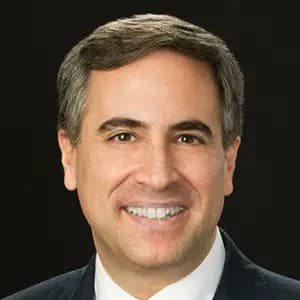
Partner at Windels Marx Lane & Mittendorf, LLP
Jason Lief is a premier patent trial lawyer with 25 years of experience. He has litigated and tried dozens of major patent and other intellectual property cases on behalf of some of the world’s most innovative and dynamic companies, often involving billion-dollar products. Applying his legal and scientific training, Jason has established a reputation for winning outcomes and courtroom excellence. Beyond litigation, Jason also counsels clients on various intellectual property issues. Jason’s approach is to partner with clients to comprehensively understand the scientific, legal and business concerns they face. Listening to clients and asking the right questions is the key to winning. As Jason often says, “litigation is the art of the question.
