A Panel Discussion for Lawyers and Cannabis Industry Professionals on Packaging, Promotion, Dosing, Liability, and Client Service Challenges.
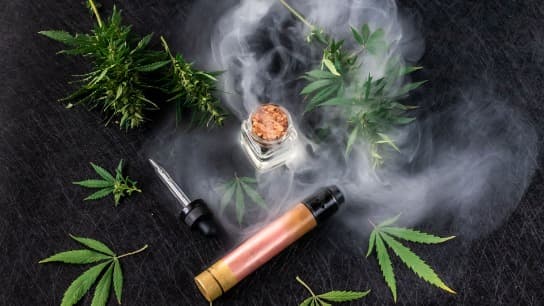
As if Cannabis Legalization 1.0 wasn’t challenging enough, now lawyers have to deal with Cannabis Legalization 2.0 – improved Cannabis Regulations that legalize and regulate “edibles, extracts and topicals.”
What are all these new product lines? What are the rules regarding packaging and dosing, promotion, and advertising? And most importantly, where can I buy them?
Join moderator, cannabis lawyer and author Russell Bennett on a pre-holiday journey with a panel of experts to answer all your cannabis consumption questions that may have you admitting, “We’re not in Kansas anymore.”
Managing client expectations when your client wants to do something in the “grey market”:
A discussion regarding Rule 3.2-7:
“A lawyer shall not(a) knowingly assist in or encourage any dishonesty, fraud, crime, or illegal conduct;(b) do or omit to do anything that the lawyer ought to know assists in, encourages or facilitates any dishonesty, fraud, crime, or illegal conduct by a client or any other person; or(c) advise a client or any other person on how to violate the law and avoid punishment,”
This applies whether the lawyer's knowledge is actual or in the form of willful blindness or recklessness.

Toronto Lawyers Association
For more than 135 years, the Toronto Lawyers' Association, located within the Courthouse Library, has represented the interests of lawyers practising in the City of Toronto. The association was founded to support its members in three key areas: Knowledge, Advocacy, and Community. To uphold these pillars, the association offers a year-round mix of online and in-person education programs for lawyers, hosts both free and paid events to foster in-person networking, and submits advocacy pieces on behalf of its members to the Ontario bench and bar, all levels of government, and the broader public.
