Master the legal tactics and advocacy strategies required to defend Indigenous sovereignty, protect land rights, and drive systemic justice through the courts.
Strategic litigation involving Indigenous rights and state accountability sits at the intersection of constitutional law, public law, and systemic justice in Canada. These cases often engage complex legal frameworks, including section 35 Aboriginal and treaty rights, Charter remedies, fiduciary obligations, and claims of systemic discrimination against public authorities.
This program offers a structured, litigation-focused approach to advancing Indigenous rights claims through coordinated constitutional, civil, and administrative strategies. Participants will examine how different legal pathways—such as Charter damages, negligence, misfeasance in public office, tribunal processes, and public inquiries—can be leveraged together to build stronger and more effective claims.
Designed for experienced litigators, the session emphasizes practical strategy in high-stakes, politically sensitive litigation. It focuses on evidentiary development, framing systemic harm, engaging with government actors, and managing complex proceedings while maintaining community trust and long-term legal objectives.
Key Topics Discussed:
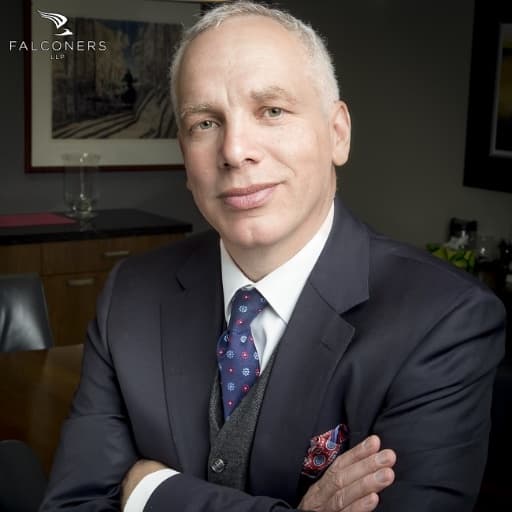
Founding Partner | Falconers LLP
Julian Falconer has been practicing law in the areas of policing, human rights, Indigenous rights, and state accountability for over thirty years. He holds degrees from the University of Alberta, McGill University, and the University of Toronto, in addition to an Honorary Doctorate of Laws from the University of Guelph-Humber. He previously served as a Bencher of the Law Society of Ontario from 2010 to 2023, spanning the maximum of three terms. Julian is also an author, writing extensively on issues of race and civil liberties, and co-authoring the book The Annotated Coroners Act (Butterworths Press). In the true tradition of a barrister, Julian Falconer’s practice takes him to civil, administrative, and criminal courts at both trial and appellate levels, including the Supreme Court. He is bilingual and has argued cases in both English and French. Julian has acted as counsel on matters related to prisoner rights, police accountability, First Nations child welfare, and human rights, including representing Maher Arar, the family of Ashley Smith, the family of Sammy Yatim, and Adam Nobody and the “Free Press Four.” He has also acted as counsel in the Ipperwash Inquiry, the Goudge Inquiry, the Seven Youth Inquest, and for the Truth and Reconciliation Commission of Canada. More recently, Julian has served as legal counsel and lead negotiator for the Indigenous Police Chiefs of Ontario in the fight against discriminatory funding for First Nations community safety, and as counsel for Kimberly Murray, the Independent Special Interlocutor for Missing Children and Unmarked Graves and Burial Sites associated with Indian Residential Schools. Julian has acted as counsel for Nishnawbe Aski Nation (“NAN”) in various matters since 2008, including child welfare reform since 2016 through NAN’s ongoing intervention in the Caring Society case before the Canadian Human Rights Tribunal. Outside of the courtroom, Julian is also a pilot and has logged over 3,000 hours in his Cessna 182, flying to and from the North to meet with First Nations clients and communities.
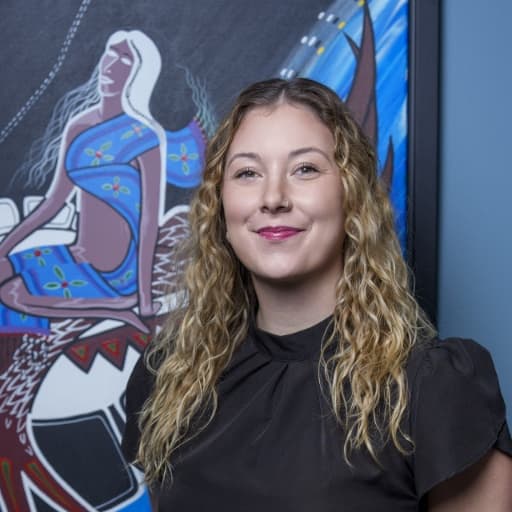
Associate | Falconers LLP
Jordan Tully (she/her) is a settler from Treaty 1 Territory, now living in Tkaronto, on the traditional lands of the Mississauga, the Anishinaabe, the Haudenosaunee, the Chippewa, and the Huron-Wendat peoples. Jordan’s work is rooted in the pursuit of collective liberation. Guided by anti-colonial, anti-capitalist, and abolitionist principles, she strives to help build a world grounded in unconditional care and dignity—free from existing systems of oppression, exploitation, and inequity. Jordan seeks to use her privilege and positionality to amplify marginalized voices, support precarious communities, strengthen collective power, and create meaningful systemic change. Throughout law school, Jordan worked with several legal clinics, including Legal Aid Ontario (Refugee Law Office), Canadian Centre for Victims of Torture, Justice and Corporate Accountability Project (JCAP), and completed a placement with the Community Justice Collective. She also competed in the Philip C. Jessup International Law Moot (Spring 2023) and served as Vice President of Social and External Affairs for the Lincoln Alexander Law Students’ Society (2022-2023). Beyond law, Jordan is actively involved in community organizing and volunteers with local organizations that reflect her values. In her spare time, she enjoys thrifting, coaching and playing basketball, and discovering new cafés and restaurants around the city. Jordan returns to Falconers after having completed her articles in the Thunder Bay office.
